
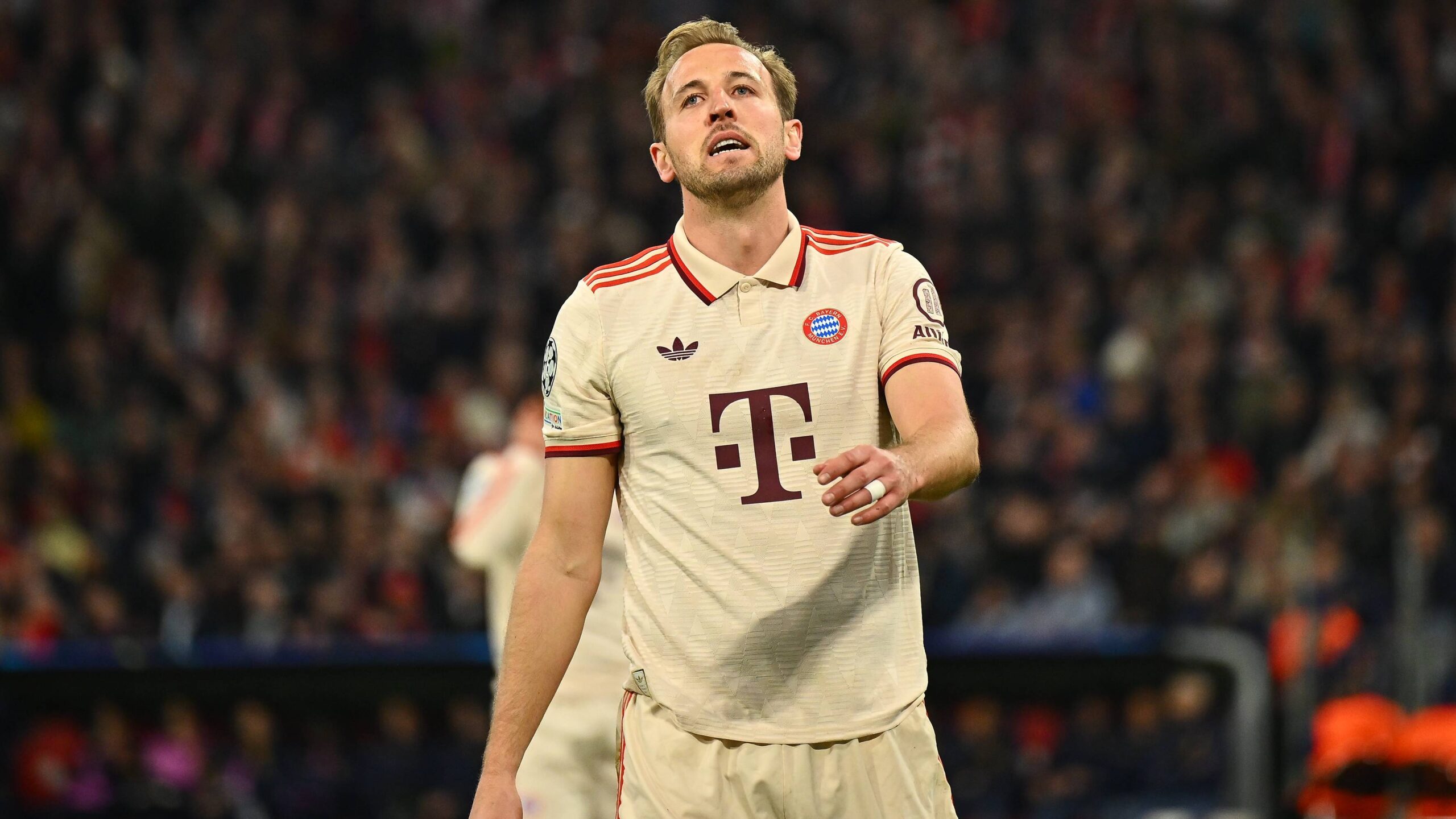
Introduction to aufstellungen: teilnehmer: fc bayern münchen gegen borussia dortmund
The fixture between FC Bayern Munich and Borussia Dortmund is one of the most closely watched matches in European football, and discussions around aufstellungen: teilnehmer: fc bayern münchen gegen borussia dortmund consistently dominate pre-match analysis, tactical breakdowns, and fan debates. This is not simply a Bundesliga match; it is a high-intensity clash that often shapes the direction of the title race and reflects two fundamentally different footballing identities.
In this detailed analysis, the focus keyword aufstellungen: teilnehmer: fc bayern münchen gegen borussia dortmund is explored through tactical structures, expected starting lineups, player roles, and strategic adjustments that define how both teams approach this elite-level rivalry. Understanding the match requires more than listing players—it requires examining systems, transitions, and decision-making under pressure.
The importance of aufstellungen: teilnehmer: fc bayern münchen gegen borussia dortmund lies in how both teams adapt their formations and personnel choices to exploit weaknesses while minimizing risk against a top-tier opponent.
Tactical Identity Behind aufstellungen: teilnehmer: fc bayern münchen gegen borussia dortmund
The rivalry between FC Bayern Munich and Borussia Dortmund is defined by contrasting tactical identities. Bayern typically emphasizes possession dominance, positional control, and high pressing, while Dortmund focuses on vertical attacks, fast transitions, and compact defensive organization.
In the context of aufstellungen: teilnehmer: fc bayern münchen gegen borussia dortmund, these contrasting identities directly influence lineup decisions. Bayern often selects technically strong midfielders and versatile attackers capable of breaking down deep defensive structures. Dortmund, on the other hand, prioritizes pace, pressing resistance, and players who can exploit open space quickly during counterattacks.
These philosophical differences ensure that every edition of aufstellungen: teilnehmer: fc bayern münchen gegen borussia dortmund becomes a tactical chess match rather than just a physical contest.
FC Bayern Munich Expected Lineup in aufstellungen: teilnehmer: fc bayern münchen gegen borussia dortmund
The expected lineup of FC Bayern Munich in aufstellungen: teilnehmer: fc bayern münchen gegen borussia dortmund usually reflects a flexible system, most commonly structured around a 4-2-3-1 or 4-3-3 formation. This flexibility allows Bayern to control possession while adjusting dynamically to Dortmund’s transitions.
Bayern’s goalkeeper plays a crucial role in initiating attacks from the back, often acting as the first passing outlet under pressure. The defensive line is typically high, requiring center-backs who are comfortable defending large spaces and recovering quickly against counterattacks.
In midfield, Bayern relies on a combination of control and creativity. The double pivot or central trio is responsible for dictating tempo, recycling possession, and breaking Dortmund’s pressing lines. This area is particularly important in aufstellungen: teilnehmer: fc bayern münchen gegen borussia dortmund, as midfield superiority often determines whether Bayern can sustain pressure in the attacking third.
The attacking structure usually features wide forwards who drift inside, creating numerical overloads near the box. The central striker is expected to finish chances but also contribute to link-up play. This fluid attacking movement is one of Bayern’s most dangerous weapons in aufstellungen: teilnehmer: fc bayern münchen gegen borussia dortmund, especially when Dortmund’s defensive block is stretched.
Borussia Dortmund Expected Lineup in aufstellungen: teilnehmer: fc bayern münchen gegen borussia dortmund
For Borussia Dortmund, the lineup in aufstellungen: teilnehmer: fc bayern münchen gegen borussia dortmund is typically built around balance, athleticism, and direct attacking potential. Dortmund often sets up in a 4-3-3 or 4-2-3-1 formation depending on the level of defensive caution required.
The defensive structure is slightly deeper compared to Bayern’s high line. This allows Dortmund to remain compact and absorb pressure while reducing the space between defensive and midfield lines. The center-backs are expected to handle intense pressure, especially when Bayern pushes multiple players into advanced positions.
Midfield work rate is one of Dortmund’s defining characteristics. Players are tasked with disrupting Bayern’s rhythm, winning second balls, and immediately transitioning into attacking phases. In aufstellungen: teilnehmer: fc bayern münchen gegen borussia dortmund, this midfield energy is essential for preventing Bayern from settling into long possession sequences.
Dortmund’s attacking structure relies heavily on pace and directness. Wide attackers stretch the opposition defense, while the striker looks to exploit space behind Bayern’s high defensive line. This makes Dortmund extremely dangerous in transition phases, especially when Bayern loses possession in advanced areas.
Key Player Roles in aufstellungen: teilnehmer: fc bayern münchen gegen borussia dortmund
The outcome of aufstellungen: teilnehmer: fc bayern münchen gegen borussia dortmund is often determined by individual brilliance within structured systems. Both FC Bayern Munich and Borussia Dortmund rely heavily on key players who can shift momentum in critical moments.
For Bayern, creative midfielders and attacking forwards play a central role in unlocking Dortmund’s defensive organization. Their ability to operate in tight spaces, combine quickly, and finish chances efficiently is crucial when facing a compact defensive block.
For Dortmund, explosive attackers are the primary threat. Their pace and direct style create constant danger during transitions. In aufstellungen: teilnehmer: fc bayern münchen gegen borussia dortmund, these players often determine whether Dortmund can convert defensive stability into attacking opportunities.
Tactical Formations and In-Game Adjustments in aufstellungen: teilnehmer: fc bayern münchen gegen borussia dortmund
Both teams are known for tactical adaptability, especially in high-pressure matches like aufstellungen: teilnehmer: fc bayern münchen gegen borussia dortmund. Bayern frequently shifts between different structural phases depending on possession and pressing intensity.
FC Bayern Munich may transition between a 4-2-3-1 in defensive phases and a more fluid 3-2-5 structure in possession, pushing full-backs into advanced positions and overloading attacking zones. This constant movement is designed to break Dortmund’s defensive shape.
Borussia Dortmund also adjusts dynamically, often switching between a structured defensive block and a more aggressive pressing system when opportunities arise. Dortmund’s ability to shift tempo quickly is one of their strongest tactical assets in aufstellungen: teilnehmer: fc bayern münchen gegen borussia dortmund.
These in-game adjustments ensure that the match remains tactically unpredictable and highly dynamic from start to finish.
Match Phases in aufstellungen: teilnehmer: fc bayern münchen gegen borussia dortmund
The structure of aufstellungen: teilnehmer: fc bayern münchen gegen borussia dortmund can often be divided into distinct phases that reflect momentum shifts between both teams.
In the early phase, Bayern usually dominates possession and attempts to control the tempo. Their objective is to push Dortmund into a defensive shape and create early scoring opportunities through sustained pressure.
As the match progresses, Dortmund typically grows into the game by exploiting transitions and pressing errors. This mid-phase often becomes the most balanced period, with both teams competing for midfield control.
In the final phase, fatigue and tactical risk-taking increase. Both teams may push higher lines, creating more open space and increasing the likelihood of decisive moments. This is often where aufstellungen: teilnehmer: fc bayern münchen gegen borussia dortmund becomes most unpredictable.
Strategic Factors Influencing aufstellungen: teilnehmer: fc bayern münchen gegen borussia dortmund
Several external and internal factors influence lineup decisions in aufstellungen: teilnehmer: fc bayern münchen gegen borussia dortmund. Injuries, squad rotation, and fixture congestion play a significant role, especially when both teams compete in domestic and European competitions.
Managerial strategy is also crucial. Coaches must decide whether to prioritize control, intensity, or defensive stability depending on match context. Home advantage can also influence how aggressive or conservative the lineup becomes.
These variables ensure that no two editions of aufstellungen: teilnehmer: fc bayern münchen gegen borussia dortmund are ever identical, even when core players remain the same.
FAQ on aufstellungen: teilnehmer: fc bayern münchen gegen borussia dortmund
What does aufstellungen: teilnehmer: fc bayern münchen gegen borussia dortmund mean
It refers to the starting lineups and participating players in the match between FC Bayern Munich and Borussia Dortmund.
Why is this fixture so important
Because it often influences the Bundesliga title race and features two of the strongest football clubs in Germany, both with global followings.
What formations does Bayern usually use in this match
FC Bayern Munich commonly uses 4-2-3-1 or 4-3-3 formations depending on tactical requirements and opponent analysis.
How does Dortmund approach Bayern tactically
Borussia Dortmund focuses on compact defending and fast counterattacks, exploiting space behind Bayern’s high defensive line.
Why is lineup analysis important in this fixture
Because small changes in aufstellungen: teilnehmer: fc bayern münchen gegen borussia dortmund can significantly affect tactical balance, match momentum, and final results.
Conclusion on aufstellungen: teilnehmer: fc bayern münchen gegen borussia dortmund
The tactical and lineup discussion surrounding aufstellungen: teilnehmer: fc bayern münchen gegen borussia dortmund reflects the depth, intensity, and strategic complexity of one of football’s greatest rivalries. Both FC Bayern Munich and Borussia Dortmund bring distinct football philosophies that ensure every encounter is shaped by fine tactical margins.
